
Maybe a Bit Much
This field pushed our commercial zero‑turn mowers to their limits—but they delivered. While a tractor with a batwing mower might seem like the obvious choice for a job of this size, the reality is more nuanced. In some areas, a tractor would have been faster. In others, the zero turns were the only equipment capable of navigating tight spaces and delivering a clean, controlled cut.
What matters most is that the job was completed efficiently, safely, and without compromising the quality of the finish. Our zero‑turn setup proved that even challenging acreage can be handled with the right operators and the right machines.
If you’re looking for reliable field mowing or seasonal property maintenance, this project is a great example of how we adapt our equipment to match your land’s unique needs.
-
- Overgrown fields
- Small to large acreage
- Vacant lots
- Rural properties
- Hunting land
- Roadside and fence line clearing
- Paddocks
- Dirt road construction and maintenance
- Pond trimming
- Annual, bi-annual and quarterly service
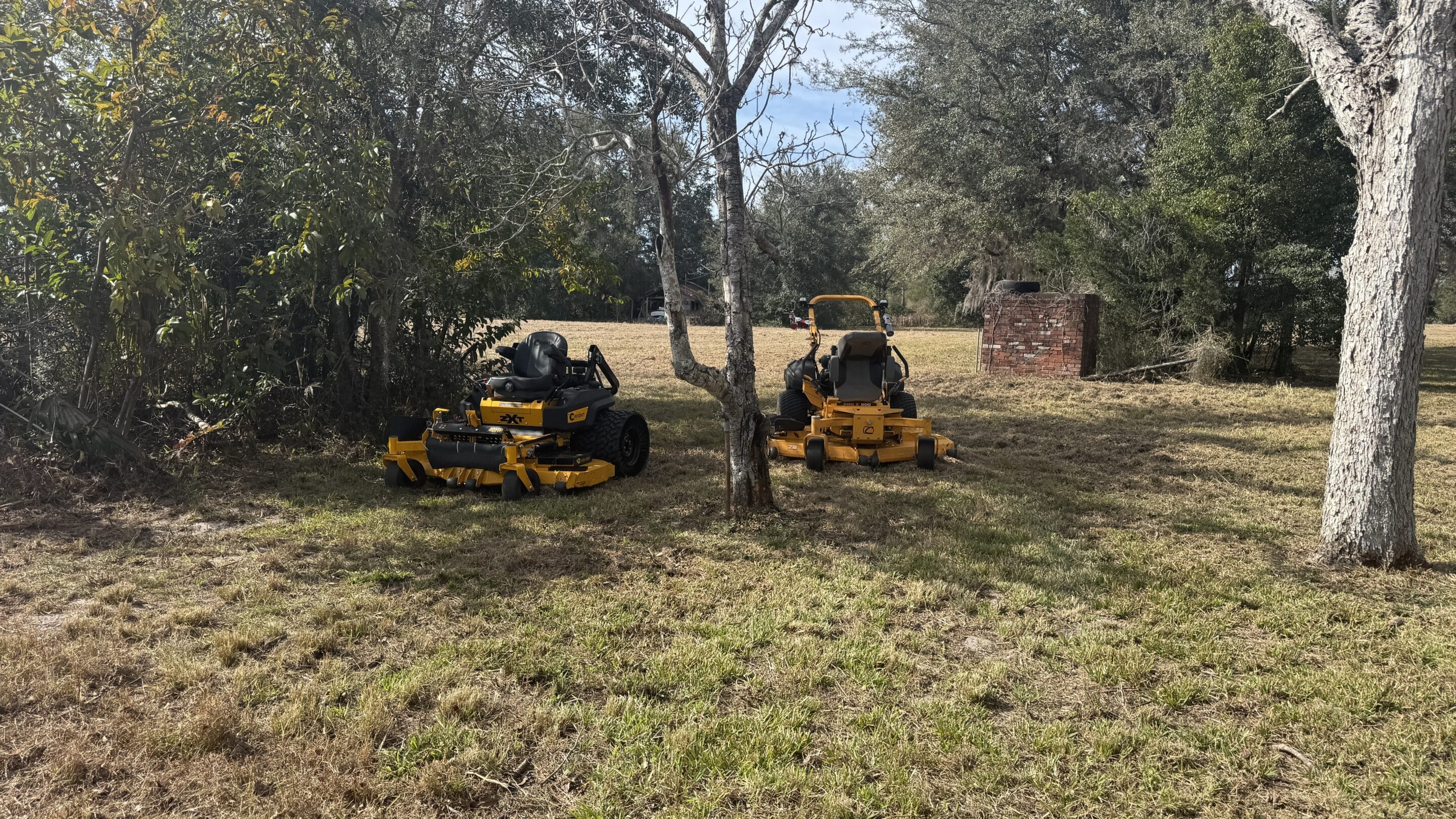
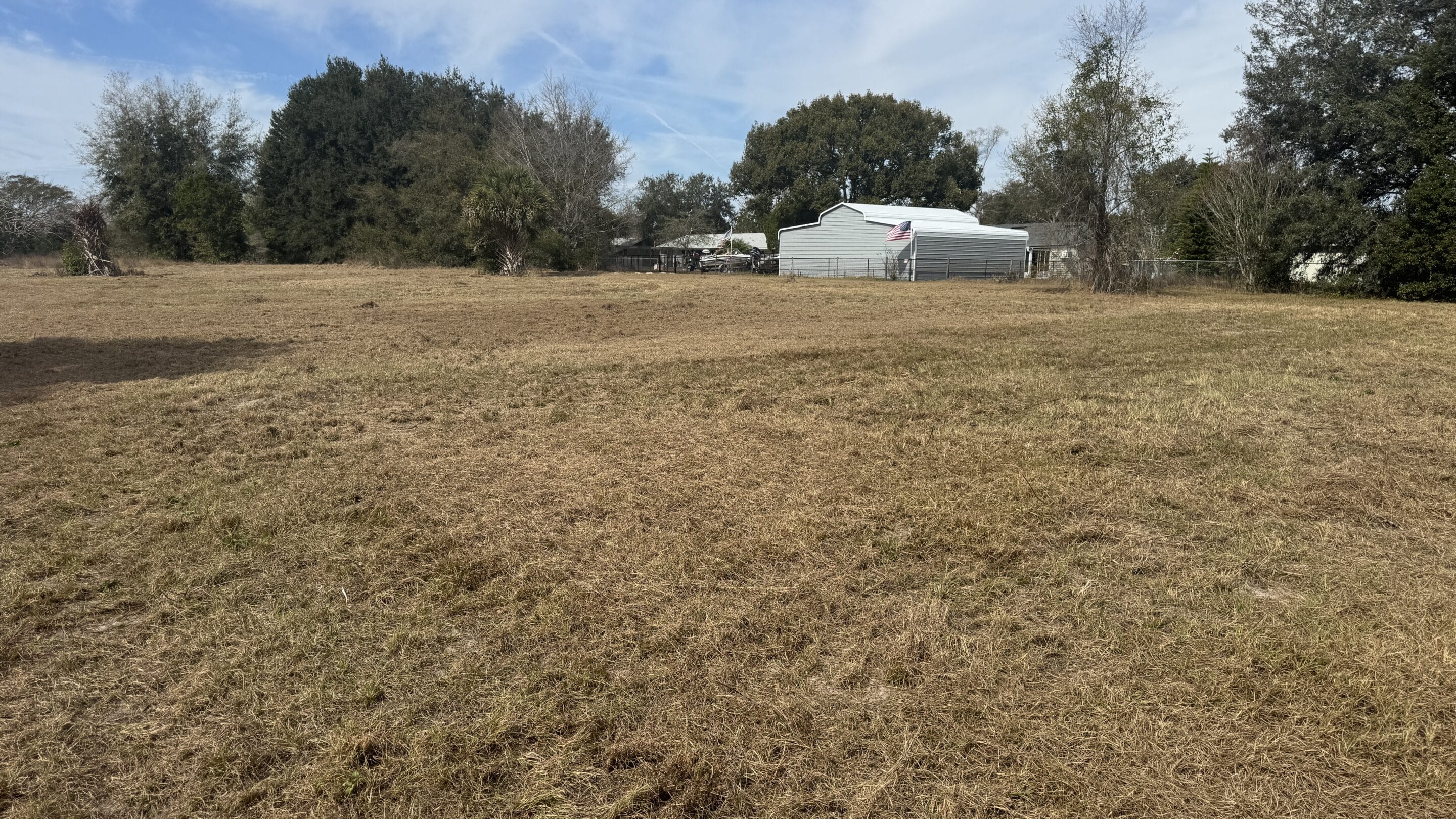
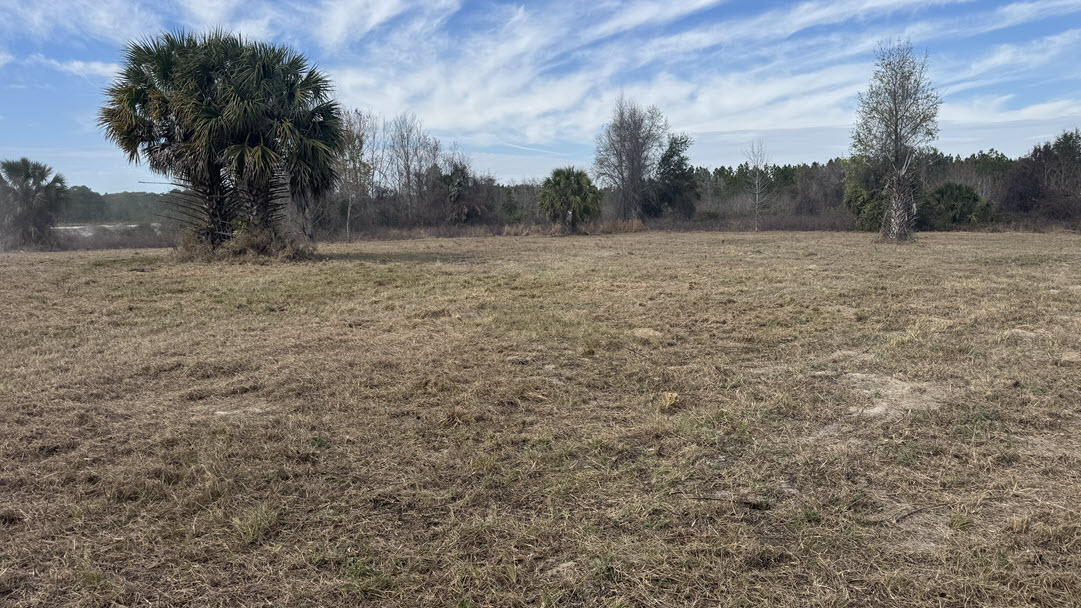
This property is a recurring maintenance job that we service twice a year for an out‑of‑state owner. Regular mowing is essential to prevent county code violations, reduce wildfire risk, and keep the home site and surrounding acreage under control. The yard around the home is maintained bi‑annually, while the larger field is cut once a year. Over time, the area around the house has required ongoing cleanup to remove obstacles that slow down property maintenance and create safety hazards.
A key consideration for this project was selecting the right equipment. The vegetation around the home is manageable with a commercial zero‑turn mower, which provides a clean, efficient cut in tighter spaces. The first few visits took longer due to the usual debris removal—picking up trash, fallen limbs, and storm‑damaged branches. As part of the long‑term maintenance plan, I also trim low‑hanging limbs to improve access and speed up future cuts. In many cases, the tree‑trimming work is spread across multiple visits because of the amount of cleanup required to bring the property back to a maintainable condition.
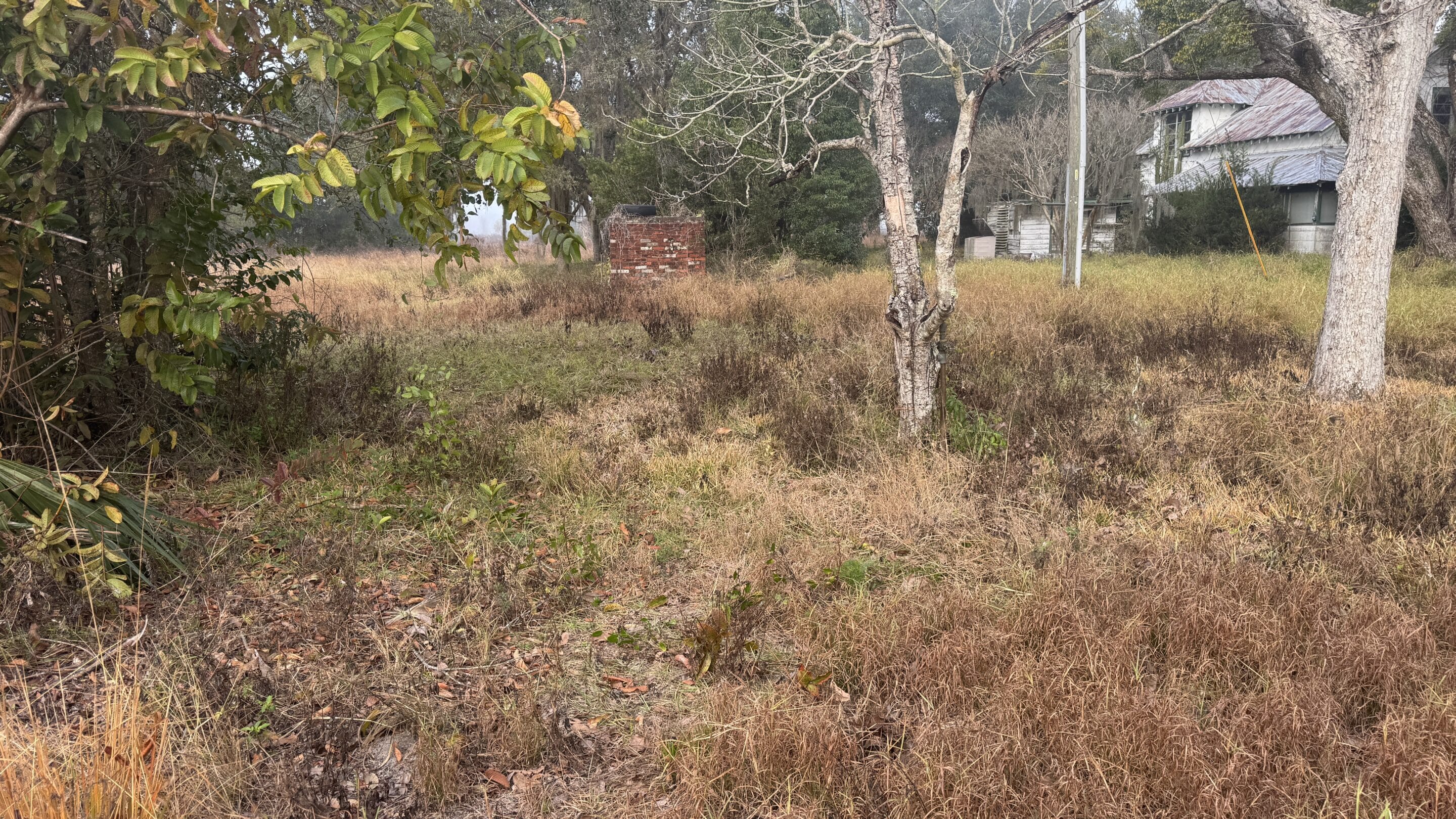
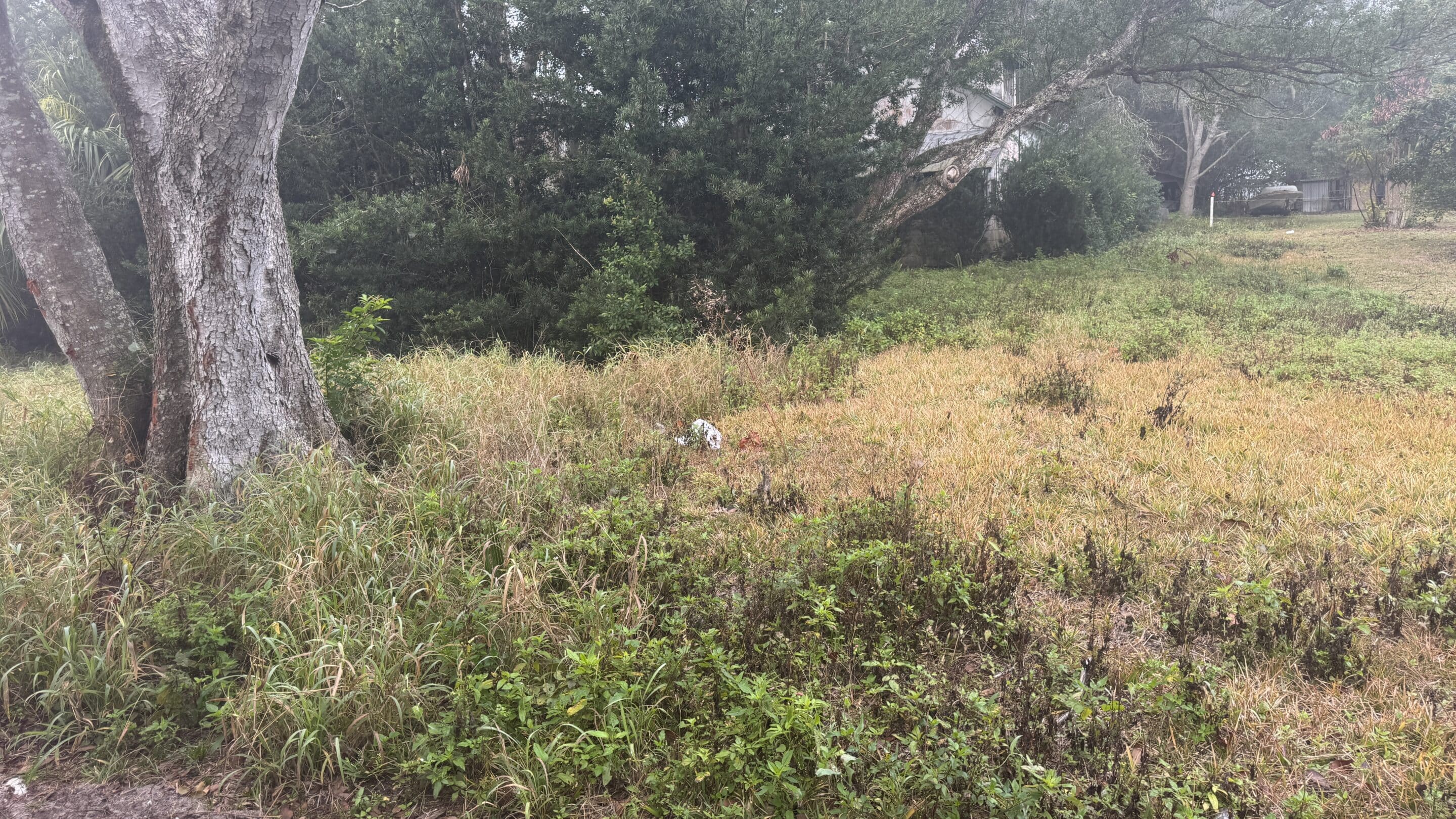
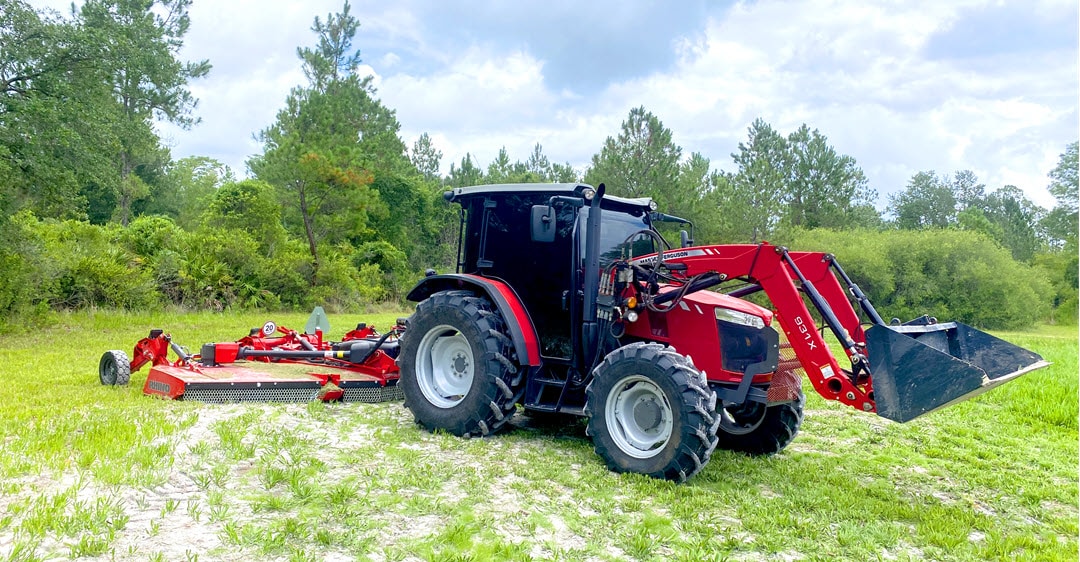
Up to this point, the field has always been maintained using a tractor with a bush hog attachment. The setup works well for large, open areas, especially since the tractor can cut up to a 12‑foot swath in a single pass. However, the land is full of animal burrows, uneven ground, and small sand mounds, which makes for a rough and uncomfortable ride in a tractor. Even with these challenges, the number of trees is manageable, so bush hogging typically moves along at a steady pace.
One major limitation is that a bush hog cannot be used safely or effectively around the home. Tight areas, landscaping, and obstacles require a finish mower or zero turn, meaning a lawn mower is always part of the equipment lineup for residential portions of the property.
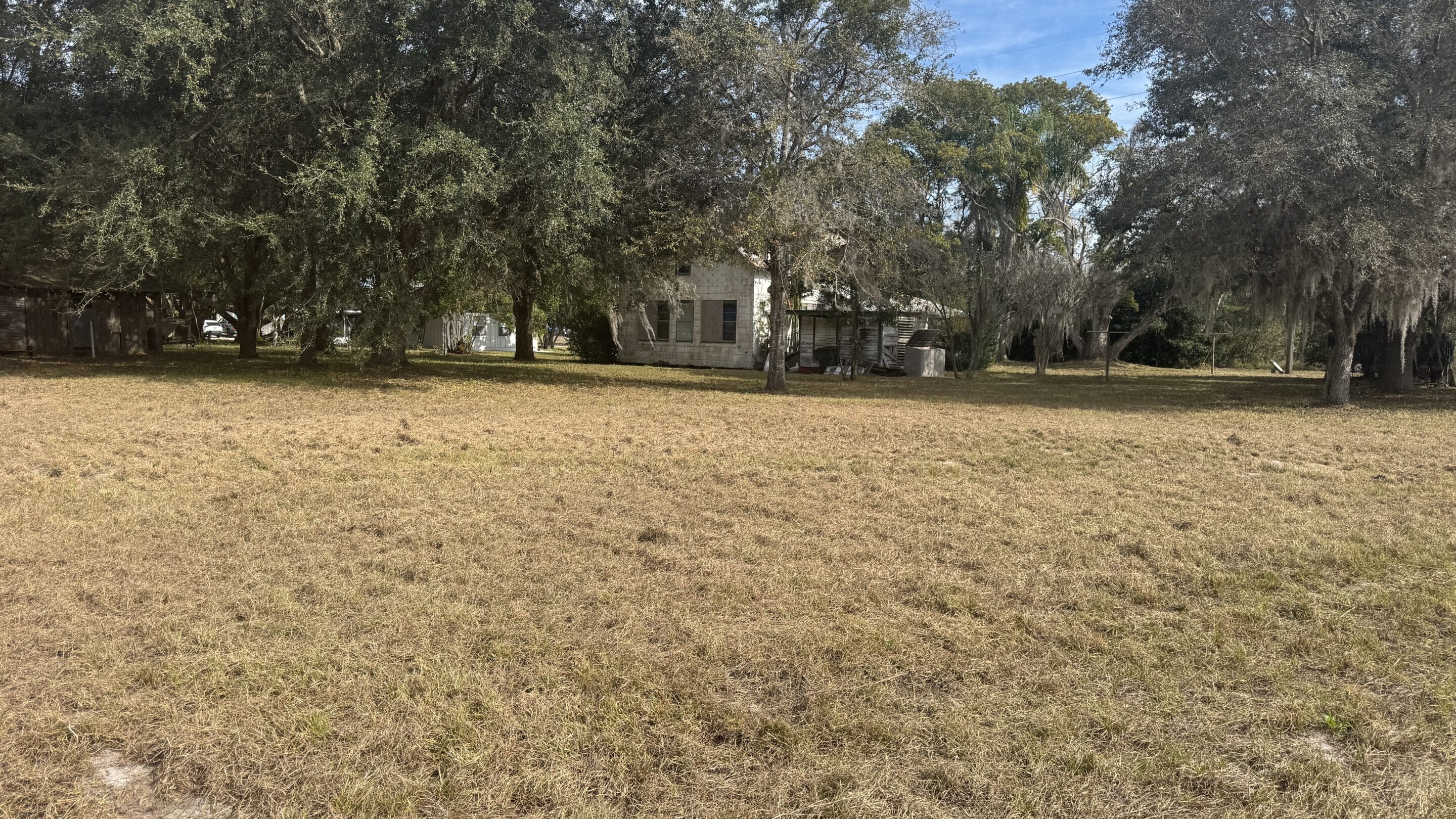
This year, the goal was to determine which equipment setup delivers the best overall efficiency for mowing and land clearing. Instead of using the tractor, I tested a two–zero‑turn approach. With two operators running commercial zero turn mowers, the entire field was completed in 5.5 hours—about 11 total labor hours. This provided a useful comparison between tractor bush hogging and zero turn mowing for maintaining 5–10 acre properties with mixed terrain.
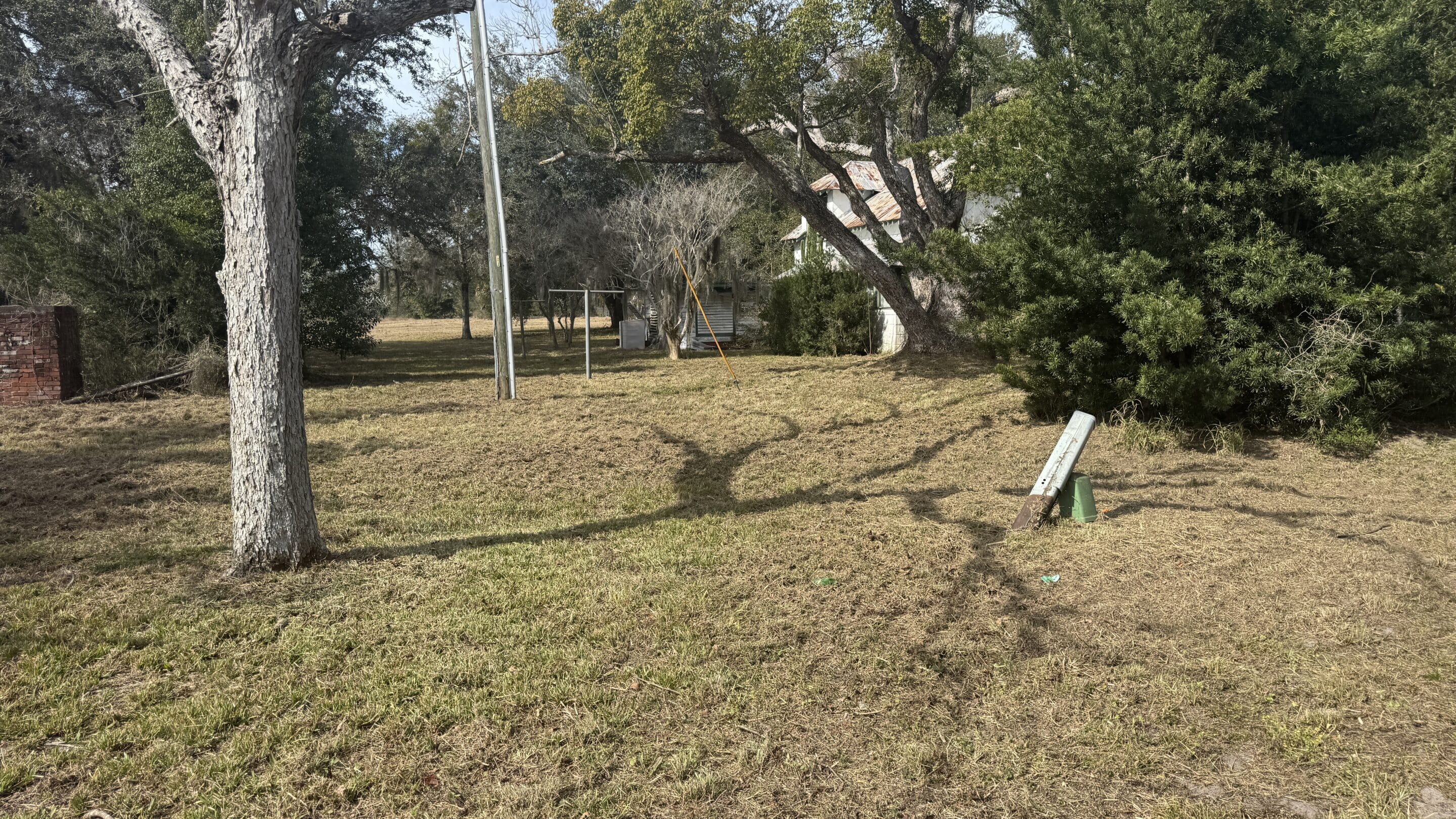
Zero Turn Mowers on 10 Acres: Actual Time and Labor Requirements
For this project, I ran two commercial zero‑turn mowers with two operators. The entire 10 acres were completed in 5.5 hours, totaling roughly 11 labor hours. On paper, that sounds efficient, but the terrain and vegetation type changed the equation significantly.
The property required a full double cut with the zero turns. Unlike a tractor-mounted bush hog, which would have handled the job in a single pass, the zero turns struggled with tall, woody weeds. These weeds tend to bend under the deck instead of being cleanly cut, only to spring back up after the mower passes. We experimented with every technique—raising and lowering the deck, slowing down to a crawl, adjusting approach angles—but the only reliable solution was multiple passes.
The property required a full double cut with the zero turns. Unlike a tractor-mounted bush hog, which would have handled the job in a single pass, the zero turns struggled with tall, woody weeds. These weeds tend to bend under the deck instead of being cleanly cut, only to spring back up after the mower passes. We experimented with every technique—raising and lowering the deck, slowing down to a crawl, adjusting approach angles—but the only reliable solution was multiple passes.
Terrain Challenges: Sand Mounds, Animal Dens, and Reduced Cutting Speed
The cutting speed on this job was approximately 75% slower than what you’d expect on a flat, maintained field. Sand mounds, uneven ground, and animal dens forced us to reduce speed dramatically to avoid scalping, deck damage, or operator injury. A single operator using a zero turn would have struggled to finish the job in a full day, especially with the required double cut.
Engine Performance: Commercial Zero Turns vs Residential Models
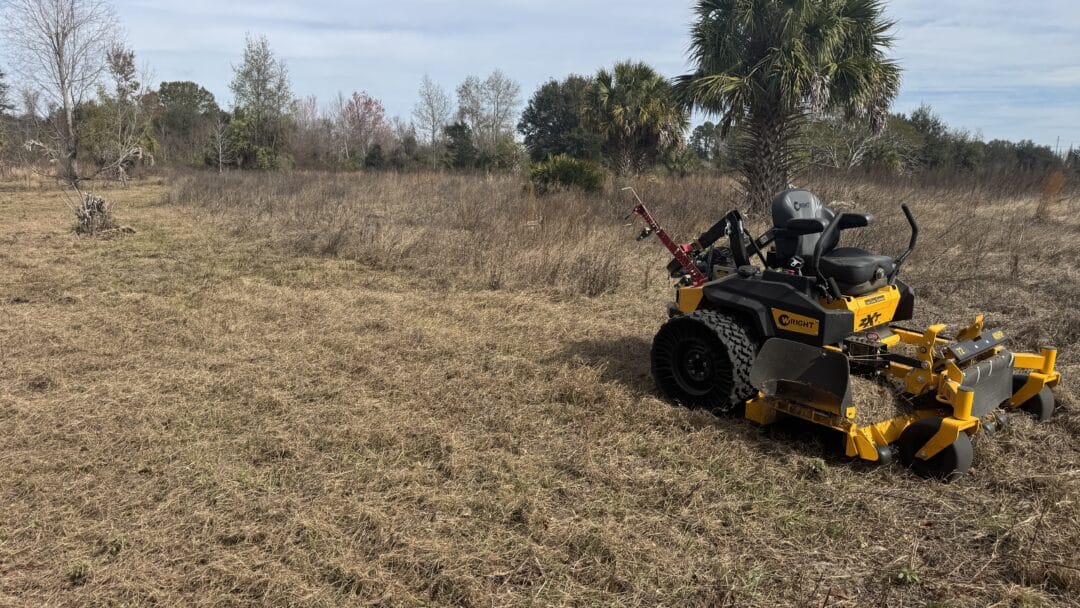
One positive takeaway was engine performance. The CubCadet Pro Z with a 34 HP Kawasaki engine and the Wright ZXT powered by a 40 HP Vanguard handled the workload without bogging down. These are true commercial‑grade machines designed for heavy grass and rough terrain. Residential zero turns, with smaller engines and lighter frames, would not have been capable of completing this job safely or efficiently.
This test reinforced an important point for landowners and contractors: high‑horsepower commercial zero turns can open up new job opportunities without the cost of stepping up to a Ventrac or compact tractor—provided the vegetation isn’t too woody or overgrown.
Bush Hog vs Zero Turn: Which Is Better for Overgrown Acreage?
For properties with tall weeds, brush, saplings, or uneven terrain, a tractor with a bush hog still delivers the best single‑pass efficiency. Bush hogs are designed to cut thick material cleanly without requiring multiple passes, and they handle rough ground far better than a mower deck.
Zero turns shine in areas where maneuverability, speed, and finish quality matter—around trees, structures, fence lines, and tight spaces. But when the vegetation is tall or woody, they simply cannot match the raw cutting power of a rotary cutter.
The Ideal Setup: Tractor + Zero Turn Combination
The most efficient and profitable setup for clearing 5–20 acre properties is a combination of a tractor with a bush hog and a commercial zero turn. The tractor handles the heavy cutting and open areas, while the zero turn cleans up around obstacles and tight spaces. This hybrid approach reduces total labor hours, improves cut quality, and minimizes equipment strain.
However, logistics matter. Transporting both machines requires a long trailer or multiple trips. With a 1.5‑hour drive to the job site, extra transport time quickly eats into profitability. For contractors working across large service areas, equipment logistics can be just as important as cutting speed.
Key Takeaways for Landowners and Contractors
-
Zero turns can handle 10 acres, but expect double cutting if vegetation is tall or woody.
-
Commercial‑grade engines (34–40 HP) are essential for rough terrain mowing.
-
Cutting speed may be 75% slower on uneven ground with sand mounds or animal dens.
-
A tractor with a bush hog is still the fastest option for overgrown acreage.
-
The tractor + zero turn combo is the most efficient, but transport logistics must be considered.
-
Residential zero turns are not suitable for this type of work.
Our Process
- Walk‑through or aerial review of your property
- Written quote outlining service and cost
- Equipment selection based on terrain and vegetation
- Cutting & clearing using heavy‑duty machinery
- Final cleanup to leave your land open and usable
Why It Matters
Bush hogging improves:
- Safety
- Security
- Visibility
- Property value
- Land usability
- Wildlife
Vegetation & Grounds Control
- Mowing & brush cutting
- Sapling up to 4″ thick (forestry mulching for 4″+)
- Field discing
- Food plots
- Vertical limb and brush trimming
Access Road Maintenance
- Grading, smoothing, and drainage management
- Brush clearing along road edges
- Seasonal maintenance
- Lime rock spreading and grading
Property Near Williston & Ocala Florida
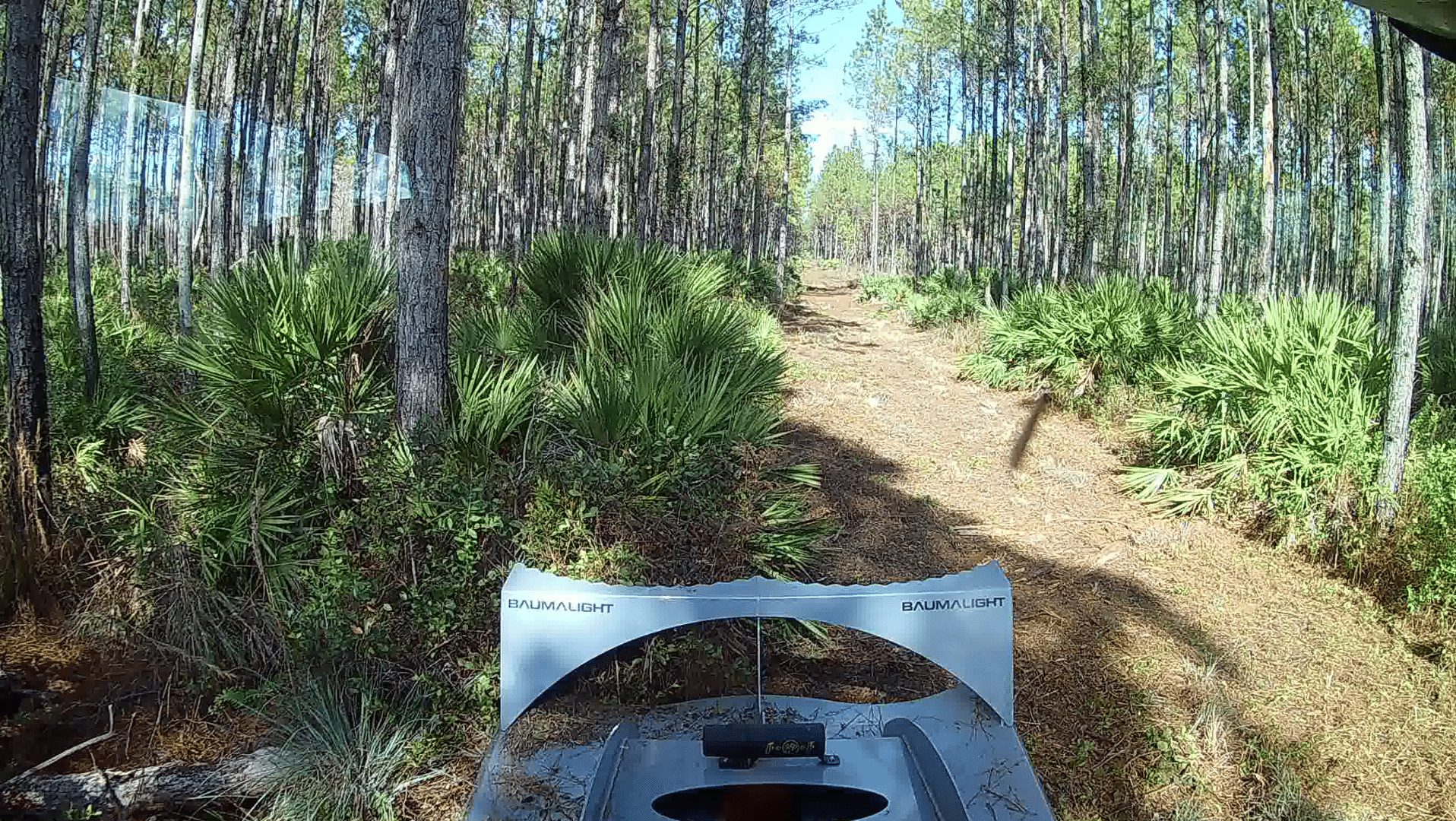
Explore a broader selection of captivating photos and engaging videos that showcase our exceptional Bush Hogging Services near Williston and Ocala Florida, allowing you to fully appreciate the quality and effectiveness of our work.
Professional Property Maintenance
Common Questions About Bush Hogging
What is Brush Hogging?
Bush hogging is a grass and brush clearing method using a rotary cutter attached to a tractor to manage overgrown vegetation, including tall grass, brush, and small trees.
What is the difference between brush hogging and forestry mulching?
Bush hogging uses a cutter on the back of a tractor which ranges in width from a few feet to 20′. It is designed to cut grass, brush and saplings up to about 4″ thick.
A forestry mulcher is a rotating drum on the front of a skid steer which as cutting teeth. The teeth chip wood and brush. It can be used for grass but is less efficient at larger grass areas. It is able to mulch wood down into wood chips leaving a nice clean look. Typically, a forestry mulcher is more expensive than a bush hogging service and is considered land clearing.
The thickess of the vegetation/trees is really which method is best.
Why Choose Our Services?
We offer professional, insured brush hogging services with a focus on safety, efficiency, and customer satisfaction, ensuring your land is cleared effectively.
How Do I Schedule a Service?
Contact us via phone or text at 813.699.9062 to discuss your needs and schedule a convenient time for our team to conduct an onsite assessment.
What Areas Do You Serve?
We proudly serve City of XXX, in XXX County, and surrounding areas, providing reliable and local bush hogging, land clearing, and tractor services.
What Equipment Do You Use?
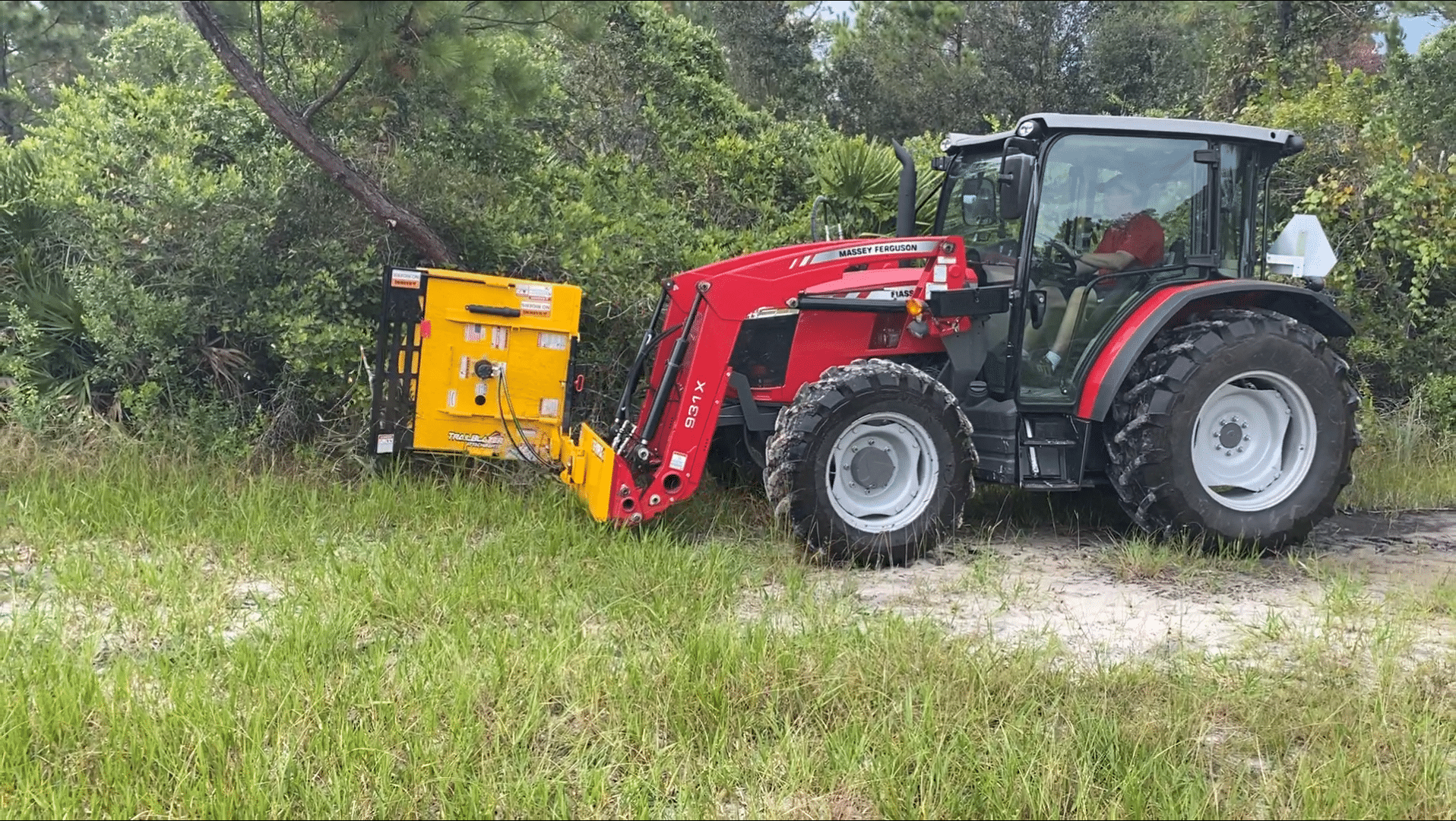
We utilize commercial-grade tractors and rotary cutters designed to handle tough vegetation that standard mowers cannot manage. Brush hog cutters include a Rhino AG 4125, Baumalight 572 CP, Rut Tree Slayer, and King Kutter.